


Navigating Transitions: Creating Inclusive, Confident Change
Inclusion isn't optional—it's the law. Learn your legal rights under the DDA, how to prepare for educational transitions, and practical strategies to advocate for inclusive environments. Discover funding options, key questions to ask, and how to turn transitions into opportunities for growth and belonging.

Moving with Purpose: Supporting Motor Skills Through Play
The best physiotherapy for children doesn't look like therapy at all—it looks like play. Learn why milestones are guides (not deadlines), how physios assess movement in three different ways, and how everyday activities like climbing stairs or stringing beads can build the motor skills your child needs to thrive.

The Family Food Adventure: Supporting Feeding with Confidence
Mealtimes shouldn't be battlegrounds. Learn why pressure feeding backfires, how the Division of Responsibility transforms family meals, and what responsive feeding actually means. Discover evidence-based approaches that rebuild trust, reduce stress, and help your child explore food on their terms—not yours.

Chalk Man and Awesomeness Forms: Tools for Heart-Centred NDIS Goal Planning
NDIS planning forms ask what your child can't do—but they rarely ask what makes them extraordinary. Learn how the Chalk Man Exercise maps support needs holistically while the Awesomeness Form reclaims your child's narrative. Two powerful tools that help you plan for growth without erasing joy.

Beyond Words: Supporting Communication & Connection
Your child is already communicating—through gestures, sounds, eye contact, and behaviour. Communication doesn't equal speech. Discover how AAC opens pathways for connection, why myths like 'AAC stops talking' are wrong, and practical strategies to help your child feel heard right now.
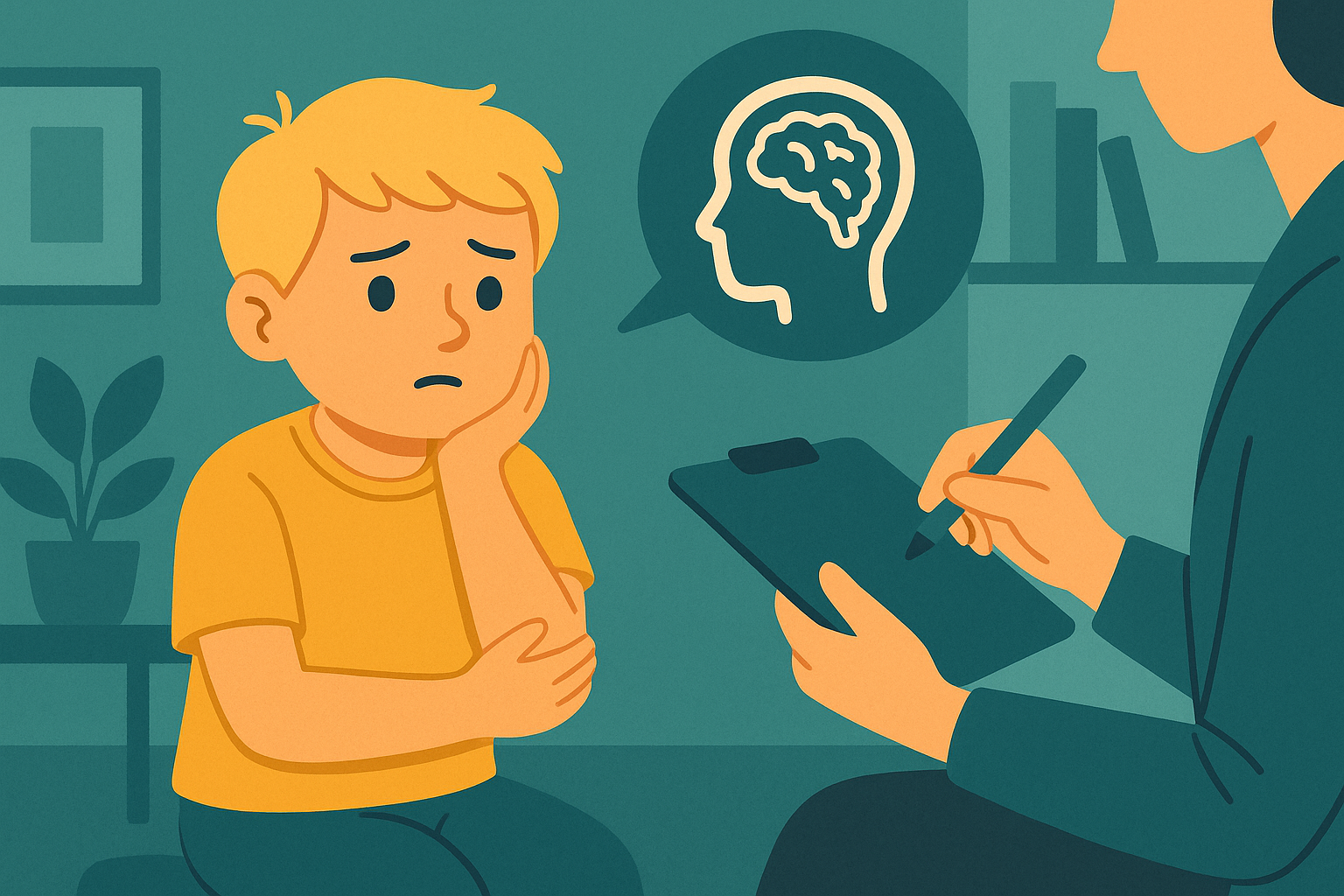
Decoding Behaviour: Understanding the 'Why' Behind Actions
Your child isn't being defiant—they're communicating. All behaviour serves a purpose. Learn the four functions of behaviour, how to use the ABC framework to identify patterns, and practical strategies that reduce meltdowns by addressing the 'why' behind actions, not just the actions themselves.